
Top Alternatives to 3M HFE Coolants: Alternative Coolants Singapore
- Yang Song Teo
- Feb 23
- 3 min read
When it comes to thermal management in industries like semiconductor manufacturing, food and beverage processing, and laboratory environments, choosing the right coolant is crucial. 3M HFE coolants have been a popular choice for many businesses due to their excellent thermal properties and chemical stability. However, with evolving industry needs and environmental considerations, exploring alternative coolants Singapore offers can be a smart move. Today, we dive into some of the top alternatives to 3M HFE coolants that deliver reliable performance and meet diverse operational demands.
Why Consider Alternative Coolants Singapore?
In Singapore’s industrial landscape, efficiency and sustainability are key. While 3M HFE coolants have served well, there are several reasons why businesses might look for alternatives:
Cost-effectiveness: Some alternatives offer competitive pricing without compromising quality.
Environmental impact: Newer coolants often have lower global warming potential (GWP) and are more eco-friendly.
Compatibility: Certain coolants are better suited for specific equipment or processes.
Availability: Supply chain considerations can make alternatives more accessible.
By exploring these options, businesses can optimize their cooling systems, reduce downtime, and align with sustainability goals.
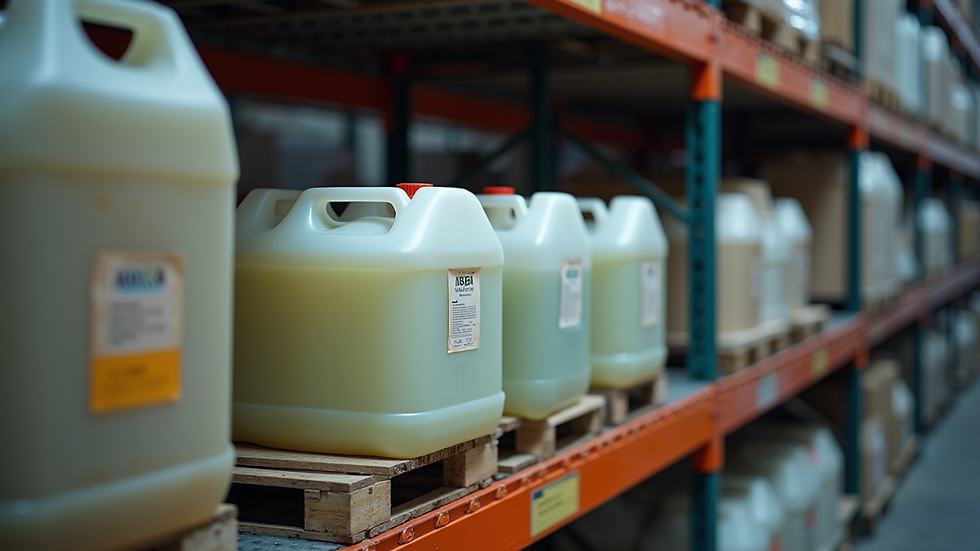
Top Alternatives to 3M HFE Coolants
Here are some of the leading alternatives to 3M HFE coolants that are gaining traction in Singapore’s industrial sectors:
1. Hydrofluoroether (HFE) Blends from Other Manufacturers
While 3M pioneered HFE coolants, other manufacturers now offer similar hydrofluoroether blends with tailored properties. These blends maintain the low toxicity and high dielectric strength of 3M’s products but may come with improved thermal conductivity or better environmental profiles.
Example: Solvay’s Novec fluids provide a range of HFE-based coolants designed for electronics cooling and precision cleaning.
Benefits: Comparable performance with potential cost savings and enhanced sustainability.
2. Fluorinated Ketones
Fluorinated ketones are emerging as excellent alternatives due to their high dielectric strength and low GWP. They are non-flammable and chemically stable, making them suitable for sensitive semiconductor and laboratory applications.
Example: 3M’s own Fluorinert FC-72 is a fluorinated ketone used in cooling high-power electronics.
Benefits: Excellent thermal stability and environmental friendliness.
3. Silicone-Based Coolants
Silicone fluids offer high thermal stability and are widely used in industrial chillers and heat transfer systems. They are chemically inert and have a broad operating temperature range.
Example: Polydimethylsiloxane (PDMS) fluids are common in precision cooling.
Benefits: Long service life and compatibility with various materials.
4. Water-Glycol Mixtures
For applications where electrical insulation is less critical, water-glycol mixtures remain a cost-effective and efficient coolant option. They provide good heat transfer and freeze protection.
Example: Ethylene glycol or propylene glycol blends.
Benefits: Easy availability and simple maintenance.
5. Natural and Bio-Based Coolants
Sustainability is driving interest in bio-based coolants derived from renewable resources. These coolants often have low toxicity and biodegradability, making them attractive for environmentally conscious operations.
Example: Vegetable oil-based coolants.
Benefits: Reduced environmental footprint and safer handling.

How to Choose the Right Alternative Coolant
Selecting the best alternative coolant depends on several factors specific to your operation:
Thermal performance requirements: Consider the heat load and temperature range.
Chemical compatibility: Ensure the coolant does not degrade system materials.
Environmental regulations: Check for compliance with local and international standards.
Cost and availability: Factor in budget and supply chain reliability.
Safety considerations: Evaluate toxicity, flammability, and handling procedures.
Working with experts who understand the nuances of industrial cooling in Singapore can help tailor the right solution. Polytroniks, for example, specializes in comprehensive chiller and coolant solutions, offering custom designs and repairs to optimize your thermal management systems.
Practical Tips for Transitioning to Alternative Coolants
Switching from 3M HFE coolants to an alternative requires careful planning to avoid system issues:
System flushing: Remove residual coolant to prevent contamination.
Compatibility testing: Conduct small-scale tests to check for material reactions.
Monitoring: Track system performance and coolant condition regularly.
Training: Educate maintenance staff on handling and safety protocols.
Documentation: Keep detailed records of coolant changes and system modifications.
By following these steps, businesses can ensure a smooth transition and maintain operational efficiency.
Why Polytroniks is Your Partner for Coolant Solutions in Singapore
Polytroniks stands out as a trusted expert in the Singapore market, offering:
Comprehensive chiller and coolant solutions tailored to industrial, semiconductor, F&B, and laboratory needs.
Specialized repair services to extend equipment life.
Custom design capabilities for unique thermal management challenges.
Access to a wide range of coolants, including 3m hfe alternative coolant options, ensuring the best fit for your application.
Partnering with Polytroniks means gaining a reliable ally committed to keeping your systems running smoothly and sustainably.
Exploring alternatives to 3M HFE coolants opens up new possibilities for efficient and eco-friendly thermal management. Whether you prioritize performance, cost, or environmental impact, there’s a solution out there to meet your needs. With expert guidance and the right products, your cooling systems can achieve optimal results in Singapore’s dynamic industrial landscape.


Comments