
Comprehensive Guide to Laboratory Chiller Services and Repair
- Yang Song Teo
- Mar 10
- 4 min read
Laboratory chillers play a crucial role in maintaining precise temperature control for various industrial, semiconductor, food and beverage, and laboratory applications. When these systems falter, it can disrupt processes, compromise product quality, and lead to costly downtime. Understanding how to maintain, troubleshoot, and repair laboratory chillers is essential for ensuring smooth operations and extending equipment lifespan.
In this guide, we will explore the key aspects of laboratory chiller services, including common issues, maintenance tips, and when to seek professional help. Let’s dive in and discover how to keep these vital systems running efficiently!
Understanding Laboratory Chiller Services
Laboratory chiller services encompass a range of activities designed to keep chillers operating at peak performance. These services include routine maintenance, diagnostics, repairs, and sometimes custom modifications to meet specific cooling needs.
Why Regular Maintenance Matters
Regular maintenance is the foundation of reliable chiller operation. It helps identify potential problems before they escalate and ensures the system runs efficiently, saving energy and reducing costs.
Some essential maintenance tasks include:
Cleaning condenser coils to improve heat exchange efficiency.
Checking refrigerant levels to prevent leaks and maintain cooling capacity.
Inspecting electrical connections for safety and reliability.
Testing sensors and controls to ensure accurate temperature regulation.
Lubricating moving parts to reduce wear and tear.
By scheduling these tasks regularly, businesses can avoid unexpected breakdowns and extend the life of their chillers.
Common Laboratory Chiller Problems
Even with proper care, chillers can experience issues. Here are some frequent problems encountered:
Insufficient cooling: Often caused by low refrigerant, dirty coils, or faulty compressors.
Water leaks: Resulting from damaged seals, corroded pipes, or clogged drains.
Unusual noises: Indicating mechanical wear or loose components.
Electrical failures: Such as blown fuses or malfunctioning control boards.
Temperature fluctuations: Due to sensor errors or control system faults.
Identifying these symptoms early allows for timely intervention and prevents costly downtime.

Best Practices for Laboratory Chiller Services
Implementing best practices in chiller servicing ensures optimal performance and reliability. Here are some actionable recommendations:
1. Develop a Maintenance Schedule
Create a detailed maintenance calendar tailored to the specific chiller model and usage patterns. Include daily, weekly, monthly, and annual tasks. For example:
Daily: Check temperature readings and listen for unusual sounds.
Weekly: Inspect water levels and clean filters.
Monthly: Test electrical components and refrigerant pressure.
Annually: Perform a comprehensive system audit and replace worn parts.
2. Train Staff on Basic Troubleshooting
Equip your team with knowledge to perform simple checks and identify early warning signs. This can include:
Recognizing abnormal noises or vibrations.
Monitoring temperature consistency.
Checking for visible leaks or corrosion.
Early detection by on-site personnel can significantly reduce repair time.
3. Use Quality Replacement Parts
When repairs are necessary, always opt for high-quality, compatible parts. This prevents recurring issues and maintains system integrity.
4. Keep Detailed Service Records
Document all maintenance and repairs. This history helps technicians diagnose problems faster and plan future servicing more effectively.
5. Partner with Experienced Professionals
For complex repairs or custom solutions, rely on experts who specialize in laboratory chiller services. Their expertise ensures precise diagnostics and effective repairs.
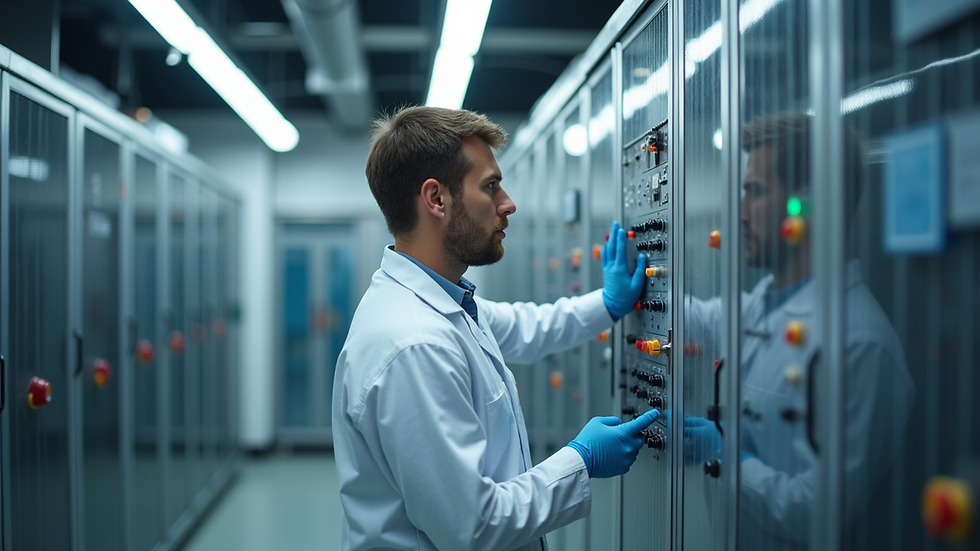
When to Call for Professional Laboratory Chiller Repair
While routine maintenance can be handled in-house, certain situations require professional intervention. Here are signs that it’s time to seek expert help:
Persistent cooling issues despite basic troubleshooting.
Refrigerant leaks or compressor failures.
Electrical malfunctions beyond simple fuse replacements.
Unusual noises indicating mechanical damage.
System shutdowns or frequent cycling.
Engaging professionals for laboratory chiller repair ensures the problem is addressed correctly and safely. They have the tools and knowledge to perform thorough diagnostics, source appropriate parts, and restore your system efficiently.
Enhancing Laboratory Chiller Performance Through Custom Solutions
Sometimes, standard chillers may not fully meet specific operational demands. Custom design and modification can optimize performance for unique applications.
Custom Cooling Solutions
Experts can tailor chillers by:
Adjusting cooling capacity to match process requirements.
Integrating advanced control systems for precise temperature management.
Enhancing energy efficiency with upgraded components.
Adding redundancy features for critical applications.
Benefits of Customization
Improved process stability and product quality.
Reduced energy consumption and operational costs.
Extended equipment lifespan.
Greater flexibility to adapt to changing needs.
Collaborating with specialists who understand your industry’s challenges can unlock these advantages.
Maximizing Chiller Longevity and Efficiency
To get the most out of laboratory chillers, consider these additional tips:
Monitor environmental conditions: Keep chillers in clean, well-ventilated areas to prevent dust buildup and overheating.
Use water treatment: Prevent scale and corrosion in water-cooled systems by treating the water supply.
Upgrade controls: Modern control systems offer better diagnostics and energy-saving features.
Plan for seasonal changes: Adjust maintenance and operation based on temperature fluctuations throughout the year.
By adopting a proactive approach, businesses can enjoy reliable cooling performance and avoid costly disruptions.
Laboratory chillers are vital assets that demand careful attention and expert care. With the right maintenance strategies, timely repairs, and customized solutions, these systems can deliver consistent, efficient cooling for years to come. Trusting experienced professionals for your laboratory chiller services ensures peace of mind and optimal operation, supporting your business’s success every step of the way!


Comments